Does Receiving SMS Online Cost Money? Free vs Paid Numbers Explained
By SMSOTPS Support Team
No, receiving SMS online does not always cost money. Free shared inboxes exist, and private numbers cost a small amount. The choice comes down to privacy: a free number is shared with other people, while a paid number keeps your messages only in your account.
That trade-off is the whole story. If you only need to see a code once and you do not mind other people being able to see the same inbox, a free option may be enough. If the code is for banking, a payment approval, a recovery code, or an account you plan to keep, a shared inbox is the wrong place for it. A temporary paid number is the wrong place for those too: sensitive or long-term accounts should use a number you control long term. This article explains both options in plain terms, using only what SMSOTPS lists on its free-numbers and pricing pages, so you can decide before you order.
What does receiving SMS online mean?
Receiving SMS online means you use a phone number that is hosted for you, and the messages sent to that number arrive over the internet instead of through a SIM card in your phone.
You do not need a SIM card or a phone plan in your own name to receive SMS online. The number is hosted for you, and messages arrive over the internet in your account or on the shared inbox page.
That is useful in a few common situations. You may not want to use your personal number for a sign-up. You may not have a local number for the country an app asks for. You may be testing a sign-up flow and need a code without adding another SIM to your phone. In each case, the basic idea is the same: the number exists online, the message is delivered to a page or an account you can open, and you read the code from there.
On SMSOTPS, there are two different ways to do this. One is free and shared. The other is paid and private. They work in different ways, and they fit different needs.
The free option: a shared public inbox
The free way to receive SMS online on SMSOTPS is a shared public inbox. You can see it on the demo inbox on the free-numbers page.
A shared public inbox means the number is shared, and anyone can read the incoming messages on that number. There is no private view. If a code arrives on that number, it appears on the shared page where other visitors can also see it.
That is why the free option has a clear limit. It is unsuitable for banking, payment approvals, recovery codes, or any account you plan to keep. Those messages should not be visible to other people, even for a short time. A code for a bank login, a payment confirmation, or a password recovery step is tied to access to your money or your account. If someone else can read that same code at the same time, the risk is obvious, and the saving is not worth it.
A shared inbox can still be useful when privacy does not matter for that message. For example, you might want to look at how a public inbox works, or check a message that carries no account access and no personal details. The free-numbers page is the place to see that demo inbox and understand what a shared number looks like in practice before you decide whether you need a private one.
The point to remember is simple: free does not mean private. The inbox is free because it is shared. If you need the message to be seen only by you, you need the paid option below.
The paid option: a private activation
The paid way to receive SMS online on SMSOTPS is a private activation.
With a private activation, messages appear only in your account. No one else sees them on a public page. You order the number for a specific purpose, and the messages for that order stay in your own account view.
A private activation stays active for a short window, 20 minutes by default. The exact window for each order is shown when you place it, and that is the time you have to receive the code. You place the order, you use the number where the code is needed, and you wait for the message to arrive in your account within that time.
That window matters for planning. It is not a long-term number. It is a short window for a verification step, and the exact window for each order is shown when you place it. If you know you will need to receive a code right away, a private activation fits that timing. If you will need codes over days or weeks for the same account, an activation is not the right fit. And if the account is sensitive, such as banking, payment approvals or recovery, use a number you control long term, not any temporary number.
You can see the services and countries available on the services page, and the live prices on the pricing page. The price is shown before you confirm an order, so you can check the cost for the country and service you need before you pay anything.
Why do prices change?
Prices vary by country and service because carrier costs differ.
That is the reason a number for one country and service can cost a different amount from a number for another country and service. The cost of delivering a message depends on the carrier involved, and that cost is not the same everywhere.
Live prices are on the pricing page and shown before you confirm an order. Prices are in US dollars.
That matters because you should not rely on a price you saw somewhere else, or a price for a different country or service. The price that counts is the one shown for your exact choice, on the pricing page, before you confirm. If the price is different from what you expected, you can stop before confirming. If it matches what you are willing to pay, you can go ahead with that same price in front of you.
When you compare free and paid options, this is the cost side of the trade-off. The free inbox costs nothing, but it is shared. A private activation costs an amount shown on the pricing page, but the messages stay only in your account. There is no hidden middle option in this article, because the facts here come only from the free-numbers and pricing pages.
What happens if my code never arrives?
This is the question most people ask before they pay for a private number, and SMSOTPS answers it with a clear rule: No SMS, No Charge.
If the verification code does not arrive within the activation window, the activation cancels automatically and the balance is restored.
In plain terms, that means you do not pay for a code you never received. If nothing arrives within that window, the activation ends on its own, and the amount is put back to your balance. You do not need to ask for that to happen. The rule cancels it automatically.
That rule does not change the activation window. It works inside it. You still need to request the code and wait inside the activation window. But if the message never comes, you are not left paying for an empty activation.
If you are trying a private activation for the first time, this is worth keeping in mind. Check that you have the number entered correctly where the code is requested, wait for the message in your account, and know that a non-arrival inside the window leads to automatic cancellation and a restored balance, as stated on the pricing page.

Free vs paid: which one fits what you need?
The best way to choose is to ask one question first: who else can see this message?
If the answer can be anyone, and the message has nothing to do with access to your money or an account you want to keep, a free shared inbox may be enough.
If the answer must be only you, a private activation is the right choice for a short, one-off verification. For banking, recovery codes, or an account you plan to keep, the right answer is a number you control long term, not any temporary number.
Here is the comparison in short form:
Free shared inbox
Cost: free
Who can read the messages: anyone who opens the shared inbox page
Where messages appear: on the shared inbox page
Good for: seeing how a public inbox works, or a message with no account access attached
Not good for: banking, payment approvals, recovery codes, or any account you plan to keep
Paid private activation
Cost: an amount shown before you confirm, in US dollars, which varies by country and service because carrier costs differ
Who can read the messages: only you, in your account
Where messages appear: only in your account
How long it stays active: the window shown for your order, 20 minutes by default
What happens if no code arrives: the activation cancels automatically and the balance is restored
That comparison is the decision. Do not choose based on price alone. Choose based on whether the message needs to stay private. A free code that someone else can read is not a saving if the account behind it matters to you.

How to choose before you order
If you want to check the options for yourself, start with the three pages named in this article.
First, open the free-numbers page and look at the demo inbox. That shows you what a shared public inbox looks like, and what it means for anyone to be able to read the incoming messages on a shared number.
Second, open the services page to see which services and countries are listed for private activations.
Third, open the pricing page to see the live price for the country and service you need. The price is shown before you confirm an order, and prices are in US dollars. Prices vary by country and service because carrier costs differ, so check the exact combination you need rather than a price for a different one.
Then ask yourself three questions:
Is this message for banking, a payment approval, a recovery code, or an account I plan to keep? If yes, use a number you control long term, not a shared inbox and not a temporary activation.
Can I request the code and receive it within the activation window shown for my order (20 minutes by default)? If yes, a private activation fits that timing.
Am I happy with the live price shown before I confirm? If yes, you can order. If no, you can stop before confirming.
That short check covers the main facts. It keeps the decision tied to privacy, timing, and the price you can actually see, rather than a guess about what a number should cost.

Frequently asked questions
Does receiving SMS online cost money?
No, not always. Free shared inboxes exist, and private numbers cost a small amount. On SMSOTPS, the free way is a shared public inbox on the free-numbers page, where anyone can read the incoming messages on a shared number. The paid way is a private activation, where messages appear only in your account. Prices vary by country and service because carrier costs differ, live prices are on the pricing page and shown before you confirm an order, and prices are in US dollars.
Can I receive SMS without a phone plan?
Yes. You do not need a SIM card or a phone plan in your own name to receive SMS online. The number is hosted for you and messages arrive over the internet in your account or on the shared inbox page.
Why would anyone pay when free inboxes exist?
Because free inboxes are shared. Anyone can read the incoming messages on a shared number, so a free inbox is unsuitable for banking, payment approvals, recovery codes, or any account you plan to keep. People pay for a private activation when they need a short, one-off verification to stay private. The activation window is shown when you place the order (20 minutes by default), and the price is shown before you confirm. For banking, recovery codes, or accounts you plan to keep, use a number you control long term instead.
What happens if my code never arrives?
If the verification code does not arrive within the activation window, the activation cancels automatically and the balance is restored. That is the No SMS, No Charge rule. You do not pay for a code you never received, when the code does not arrive inside the 20 minutes.
Is a shared inbox safe for important accounts?
No. A shared public inbox is unsuitable for banking, payment approvals, recovery codes, or any account you plan to keep, because anyone can read the incoming messages on a shared number. A temporary paid number is not the right tool for those accounts either. Use a number you control long term.
How long does a private activation last?
The standard window is 20 minutes by default, and the exact window for each order is shown when you place it. That is the time you have to receive the verification code in your account. If the code does not arrive within that window, the activation cancels automatically and the balance is restored.
Related articles
 How to Receive SMS Online Safely For understanding privacy: public shared inboxes compared with private verification numbers.
 Disposable Numbers Explained For choosing a number type: temporary numbers, VoIP and Non-VoIP.
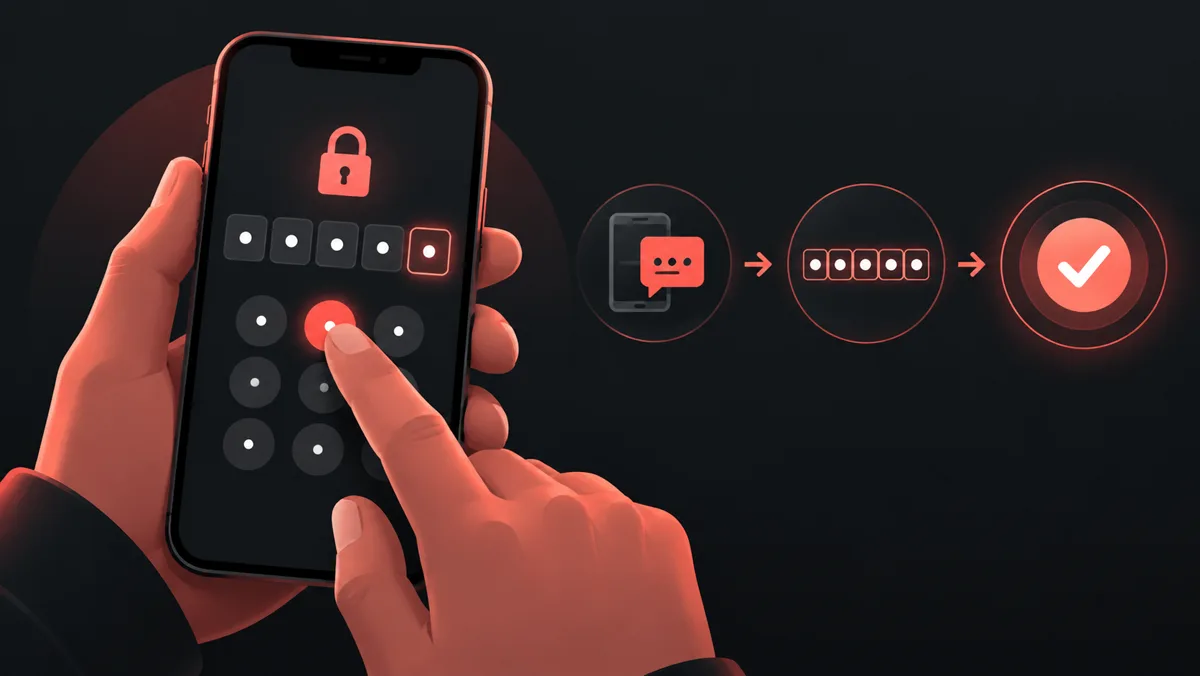 How to Complete SMS Verification Online For a first verification: choosing a service and country, entering the number and reading the code.