India Virtual Phone Numbers to Receive SMS Online
By SMSOTPS Support Team
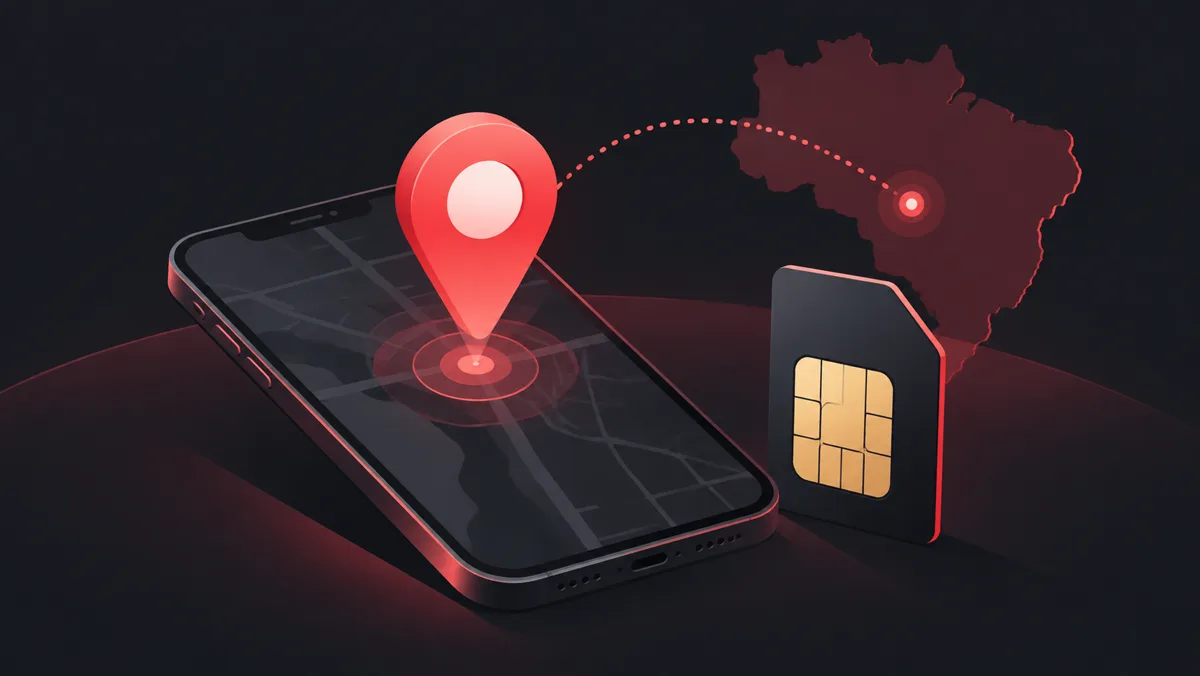
You can receive SMS online in India on a +91 number without using your personal SIM. On SMSOTPS, you buy a number for one service, enter it where the service asks for the code, and read the code in your dashboard. Whether the service accepts that number is the service's decision, and no seller can promise it.
Stop there for a second.
When the number is accepted, that shortcut gets you through the sign-up prompt. It creates a second problem if you need the account later. If the app asks for that number again - new phone, new login, account recovery - and you no longer control the temporary number, you face a lockout. That is the whole trade-off, and it decides whether this is a good idea for you at all.
Use a temporary Indian number only for an account you are willing to lose, or for an account where you know you can change the number to your real one later. For anything you must keep - money, a main account you log into daily, anything tied to your identity - use your real number. No privacy gain is worth losing the account itself.
First, pass this test before you buy anything
Ask yourself one question, and answer it before you top up: what happens the second time this service wants a code?
If the answer is "I don't know," that is not a reason to buy faster. That is a reason to pause. Check inside the service, if you already have access, whether you can add or change a phone number later. If you cannot check, treat the account as disposable. That single rule saves more trouble than any trick about picking a number.
Not every +91 number is the same thing
Here is where most guides mislead, by accident or by design. A +91 number for OTP is not one product.
A public inbox is a shared page. Anyone who opens the same number page reads the same codes. Fine for a throwaway test nobody cares about. Terrible for anything personal, because the code is not yours alone.
A business inbound number is built for customers texting a company back. That is a different job from receiving a verification code. Buying the wrong type and wondering why no code arrives is a predictable failure, and the guides rarely warn you about it.
A per-service activation on SMSOTPS is narrower. You choose the service and the country, you buy a number for that service, and the code appears in your dashboard. That is the product this guide is about. It still does not guarantee the platform accepts the number. It just keeps the code out of a public inbox.
So when a page claims a virtual number in India "works everywhere" for verification, ask which type it means. If it does not say, do not trust the claim.
The steps, in order
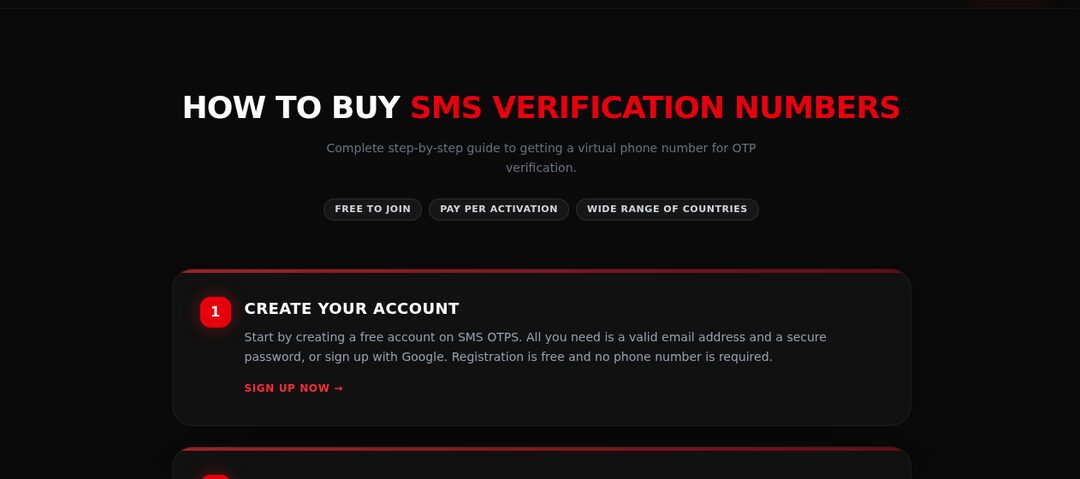
- Top up your SMSOTPS balance. Top-ups are crypto, and the payment processor adds its fee on top at the payment step - the deposit page shows it before you confirm. Know that before you top up, not after.
- Choose the service, then choose India as the country. Picking the wrong service or the wrong country is the most common self-inflicted error, and it is yours to avoid by slowing down for ten seconds on this screen.
- Buy the number. Check the live order page for current price and stock first - this guide quotes no price, because price and stock change, and a stale number in an article helps nobody.
- Enter that number exactly where the service asks for a phone number, then request the code from the service.
- Read the code in your SMSOTPS dashboard and enter it into the service.
What this guide does not do is guess at the exact fields, button labels, or screen order inside any individual Indian app. Those differ by app, they change, and pretending to walk you through a screen nobody checked against that app's own official pages would only send you hunting for buttons that may not be there. The steps above cover the SMSOTPS side, which is the side this guide can state from verified facts.
What happens to your money - exactly
This is the part most pages blur, so here it is without blur.
Your balance is charged when the number is ordered, at the price shown at that moment, not when the code arrives. That timing matters. If you order and nothing arrives, you have already paid, and the question becomes what happens next.
What happens next depends on the kind of order you placed. Refund and cancellation rules differ between standard orders and link-based bulk orders, and the exact current rules live in the FAQ and the terms - those are the version that counts on the day you buy, not this article. The practical rule that never goes stale: for one account, buy one standard order, not a bulk or link-based one, and read the refund and cancellation rules for your order type before you pay.
One more line, because it is easy to miss: topping up is a separate step with its own payment-processor fee, shown at the payment step. Treat that fee as spent, whatever happens to the order later.
If the code does not arrive
Do not panic-buy a second number for the same service while the first order is still live. That just stacks charges for the same job.
Check the boring things first. Did you choose the right service and India? Did you enter the number exactly, with +91, as shown? Did you request the code from the service after buying the number, not before?
If the answer to all of that is yes and still nothing has arrived, use the options your order type actually has: the FAQ states the current self-cancel window and the refund rule for a standard order that expires with no SMS. Read those rules before you buy, so you already know them when the clock is running.
And then stop and reconsider, instead of trying number after number. Repeated failures for one service are information. The platform may be rejecting that number type, that operator, or numbers from that country for that service. Acceptance is the platform's decision, and no seller page can overrule it. At that point, the honest move is your real number, or a different way into the service, not another disposable number.
Where a +91 number stops
A code proves you received a message. It does not prove your identity.
Banking, payment, and any service that asks for full identity proof is a different job from a sign-up OTP. A temporary number does not replace a SIM tied to your identity, and it does not turn a sign-up code into full verification. If a service asks for more than a code - identity documents, a SIM registered in your name, a payment instrument in your name - a virtual number will not carry you past that step, and you should not buy one expecting it to.
Indian SMS filtering and operator rules add another layer of uncertainty. A code that works for one service does not prove it works for another, and a number that worked last week does not prove stock or acceptance this week. Check the live order page, not last week's article, for what is actually available.
That boundary is the reason this guide keeps its language narrow. An Indian virtual phone number is useful for one thing: receiving an SMS code online for one service, without exposing your personal number. Stretch it past that, and you are buying disappointment.
Mistakes that waste a number
- Buying before the lockout test, for an account you cannot afford to lose.
- Choosing the wrong service or country, then blaming the number.
- Treating a public inbox code as private. It is not.
- Buying a link-based order and expecting standard auto-refund and self-cancel terms.
- Topping up without noting the processor fee shown at the payment step, then running short on balance.
- Expecting a quoted price from an article to still hold. Check the live order page instead.
My recommendation
If the account is disposable or you can change its number later, and the service is a plain sign-up OTP, buy one standard order for that service and India, check the live price and stock first, and keep the cancel window in mind.
If the account matters and you cannot change the number later, do not buy a temporary number for it. Use your real number, keep the account, and keep the privacy trade-off where it belongs: on accounts you can afford to walk away from.
Common questions
Can I receive SMS online in India without my personal SIM?
Yes. On SMSOTPS you buy a +91 number for one service, enter it where the service asks for a phone number, and read the code in your dashboard. Whether the service accepts a particular number is always that service's decision.
What happens if the service asks for the number again later?
The code goes to a number you no longer control, which is a lockout risk. Use a temporary number only for an account you are willing to lose, or one where you can change the number to your real one later.
What happens to my money if no code arrives?
It depends on the order type. Refund and cancellation rules differ between standard and link-based bulk orders, and the current rules are stated in the SMSOTPS FAQ and terms - those are the version that counts on the day you buy. For one account, use a standard order.
Is a public free inbox number the same as a per-service number?
No. A public inbox is a shared page anyone can read, so a code sent there is not private. A per-service number on SMSOTPS keeps the code in your own dashboard, but it still does not guarantee the platform accepts the number.
Does a virtual number work for banking or identity verification?
No. A sign-up code is not identity proof. Banking, payment, and full-identity services need a SIM tied to your identity, and a temporary number will not carry you past that step.
Related articles
 BigBasket Account Guide: Sign-Up, OTP and Recovery For BigBasket sign-up: what it asks for, the refund rules if no code arrives, and the lockout risk to weigh first.
 What Is an OTP? One-Time Passwords Explained For first-time readers: verification codes and their expiry timers.
 How to Receive SMS Online Safely For understanding privacy: public shared inboxes compared with private verification numbers.